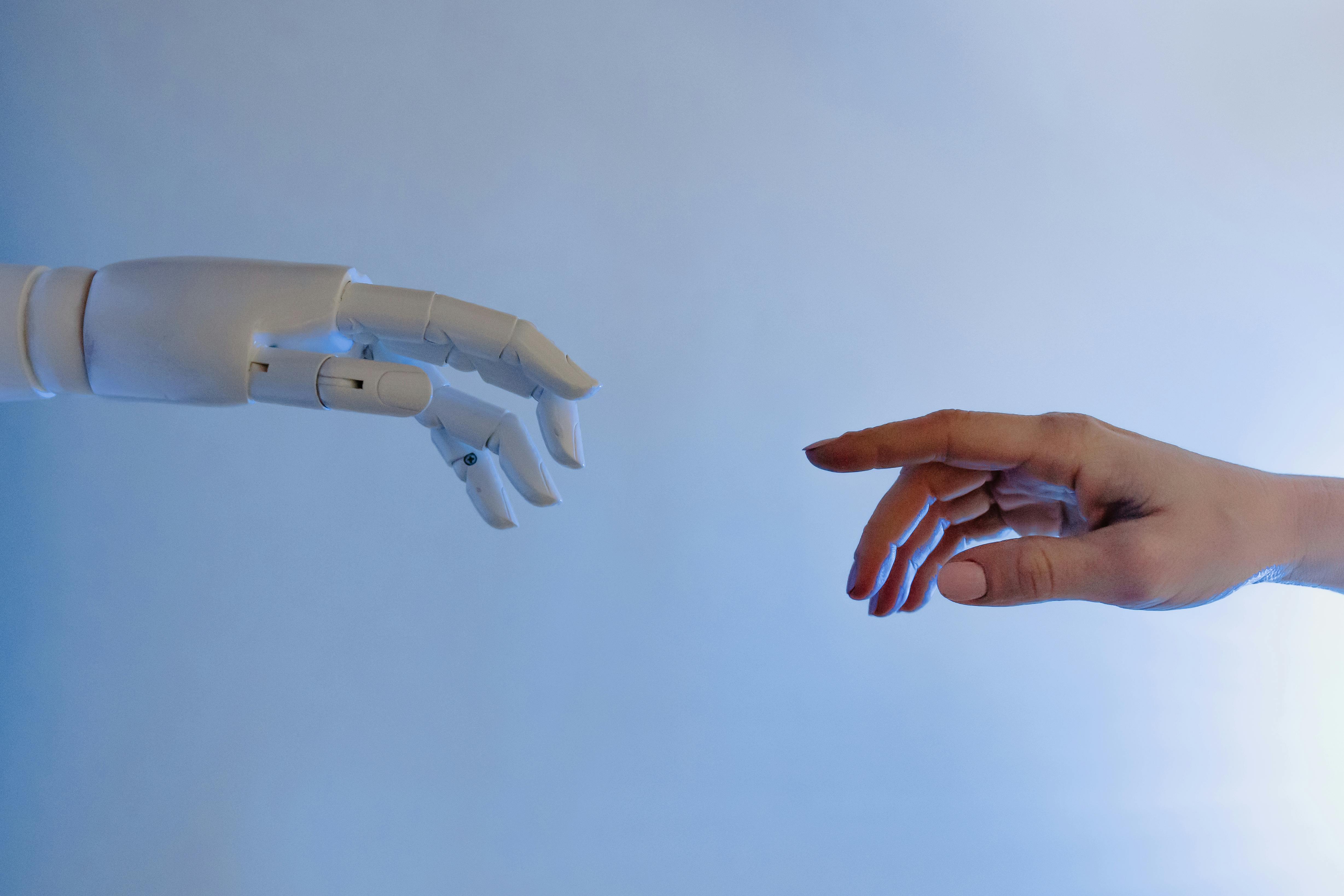
Will AI Replace Traditional Jobs in the Next 10 Years?
Artificial Intelligence (AI) is rapidly transforming industries across the world. From customer support chatbots to advanced data analysis systems, AI is becoming a part of everyday business operations.
As AI technology continues to evolve, many people are asking an important question:
Will AI replace traditional jobs in the next 10 years?
The answer is not as simple as "yes" or "no." While AI is expected to automate certain tasks and change the way people work, it is also creating new opportunities and career paths.
Understanding how AI may impact the future workforce is essential for professionals, businesses, and students alike.
The Rapid Growth of Artificial Intelligence
AI has developed at an incredible pace over the last few years.
Today, AI can:
- Generate content
- Analyze data
- Assist customer support
- Automate repetitive tasks
- Improve business efficiency
- Support decision-making
Many companies are adopting AI tools to save time, reduce costs, and improve productivity.
Because of this growth, concerns about job replacement have become increasingly common.
Jobs Most Likely to Be Affected by AI
AI performs best when handling repetitive, predictable, and rule-based tasks.
Some jobs that may experience significant changes include:
- Data entry
- Basic customer support
- Routine administrative work
- Simple bookkeeping
- Basic content generation
- Repetitive manufacturing tasks
In many cases, AI may not completely replace workers but may reduce the need for certain manual processes.
AI is More Likely to Transform Jobs Than Eliminate Them
Historically, technological advancements have changed jobs rather than completely eliminating work opportunities.
For example:
- Computers changed office work
- The internet transformed communication
- Smartphones created entirely new industries
Similarly, AI is expected to reshape job roles rather than remove all human involvement.
Many professionals may begin working alongside AI instead of competing with it.
Human Skills Still Matter
Despite its capabilities, AI has limitations.
Skills that remain difficult for AI to fully replicate include:
- Creativity
- Leadership
- Emotional intelligence
- Critical thinking
- Complex decision-making
- Relationship building
- Negotiation
These human-centered skills will continue to be valuable in the future workforce.
New Jobs Will Be Created
While some roles may decline, new opportunities are likely to emerge.
Examples include:
- AI specialists
- Machine learning engineers
- AI trainers
- AI ethics consultants
- Automation managers
- Data analysts
- AI integration experts
History shows that technological revolutions often create entirely new industries and professions.
The Impact on Small Businesses
AI is making advanced technology accessible to smaller companies.
Business owners can now use AI for:
- Marketing automation
- Customer support
- Content creation
- Data analysis
- Productivity improvements
This allows small businesses to compete more effectively while reducing operational costs.
Education and Skill Development Will Become More Important
As workplaces evolve, continuous learning will become essential.
Professionals may need to:
- Learn new technologies
- Develop digital skills
- Adapt to changing industries
- Improve problem-solving abilities
- Strengthen communication skills
Those who continue learning are likely to benefit most from future changes.
Industries That May Benefit from AI
Several industries are expected to experience major improvements through AI adoption, including:
- Healthcare
- Finance
- Education
- Manufacturing
- Transportation
- Retail
- Technology
AI can help improve efficiency, reduce errors, and enhance customer experiences across these sectors.
Can AI Replace Entrepreneurs?
One area where AI faces significant limitations is entrepreneurship.
Building businesses often requires:
- Vision
- Risk-taking
- Innovation
- Leadership
- Strategic thinking
While AI can assist entrepreneurs, it cannot fully replace the human ability to identify opportunities and lead organizations.
Challenges and Concerns
Despite its benefits, AI also raises important concerns.
These include:
- Job displacement
- Privacy issues
- Ethical concerns
- Data security
- Dependence on technology
Governments, businesses, and technology leaders will need to address these challenges responsibly.
What Should People Do Today?
Instead of fearing AI, individuals should focus on adapting.
Practical steps include:
- Learning new skills
- Staying updated with technology
- Improving creativity and communication
- Understanding AI tools
- Building problem-solving abilities
People who learn how to work with AI may gain a significant advantage in the future job market.
The Future of Work
The future workplace will likely combine human talent with artificial intelligence.
Rather than replacing all traditional jobs, AI is expected to:
- Automate repetitive tasks
- Improve productivity
- Create new opportunities
- Change job responsibilities
The professionals who adapt quickly will be best positioned for success.
Final Thoughts
Artificial Intelligence is undoubtedly changing the way people work. Some traditional roles may evolve significantly, and certain repetitive jobs may become increasingly automated.
However, AI is unlikely to replace the need for human creativity, leadership, communication, and innovation.
The next 10 years will not simply be about AI replacing people — they will be about people learning how to work effectively alongside AI.
Those who embrace change, continue learning, and develop valuable human skills will remain highly relevant in the future workforce. 🚀